


Abrasive Paper
Abrasive paper is a versatile abrasive tool consisting of an abrasive material adhered to a backing material. Its primary purpose is to smooth surfaces, remove material and build-up, and prepare surfaces for further treatment such as painting, staining, or finishing. There are three main types: coated abrasives, bonded abrasives, and non-woven abrasives.


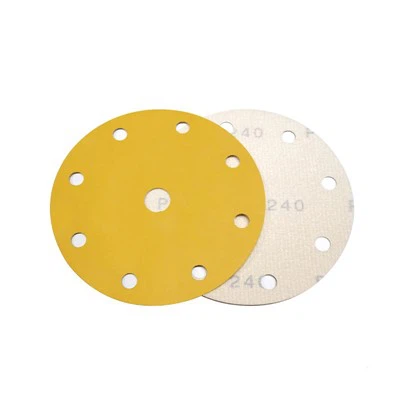


Advantages of Abrasive Paper
Smooth surface
Sanding walls can eliminate bumps, ridges, or imperfections, ensuring a uniform surface. A smooth surface ensures paint goes on evenly and adheres properly, reducing the risk of peeling or chipping.
Better paint adhesion
Sanding, especially between coats, provides a slightly roughened surface, which promotes better paint adhesion. This means the paint is less likely to peel, flake, or chip over time.
Improved appearance
Walls that have been sanded correctly will have a more professional and polished look, as paint will appear smoother and without brush or roller marks.
Removal of old paint or finish
Coarse-grit sandpaper can be used to strip away old, chipping, or peeling paint, providing a fresh surface for the new coat.
Enhanced durability
A well-prepared, sanded surface can make the paint job last longer. The combination of improved adhesion and the removal of imperfections contributes to a longer-lasting finish.
Reduced paint consumption
A smoother, well-prepared wall can reduce the amount of paint required for coverage, as paint will spread more efficiently on a sanded surface.
Why Choose Us
Rich manufacturing experience
More than 20 years abrasive products manufacturing in China, we’re familiar with our raw material manufacturers well, and also control raw material quality to ensure premium abrasive products.
Professional R&D
Our technical team workers commit to developing new products to provide different industrial applications solutions, and support customers to expand products range to enhance market competitive.
Well-trained team
Our team workers are well trained, customer requirement oriented, and provide professional solutions to meet customers requirement.
After sale service system
We pay more attention to our products market feedback, and follow up our products performance closely.Once we got some complaints from your customers, we'll submit the pictures and video to our technical department for analyzing, then provide you the solution to solve the issue in time.
Types of Abrasive Paper
Aluminum oxide sandpaper
Aluminum oxide sandpaper is a widely utilized synthetic material due to its unique ability to provide a wide range of sanding on wood and metal surfaces. When used with a power sander, this sandpaper is especially compelling, as its soft surface easily deteriorates, revealing new edges for sanding wood and prolonging the lifespan of the sandpaper.
Ceramic sandpaper
Ceramic sandpaper is one of the different types of abrasive paper made from a reddish-brown synthetic substance. It is tough and long-lasting, making it ideal for rigorous sanding. Ceramic sandpaper is great for use with power tools. It may cost more than other different kinds of sandpaper. However, its durability makes it a good investment for those who do a lot of sanding.
Garnet and flint sandpaper
Garnet and flint sandpaper are both effective for sanding wood. Garnet sandpaper is usually more expensive than flint sandpaper, but it will last longer and produce a smoother finish. Flint sandpaper is more rugged and can be used for tougher jobs. However, sandpaper’s different types will eventually wear down and must be replaced. Ultimately, the best type of sandpaper to use depends on the project at hand.
Silicon carbide sandpaper
Silicon carbide sandpaper is an essential tool for anyone working with metal or plastic. This sandpaper is made from synthetic paper impregnated with silicon carbide particles. These particles are extremely hard, making the sandpaper ideal for hard and soft surfaces.
Steel wool
Steel wool is an incredibly versatile material that can be used for various purposes. Perhaps most famously, it is commonly used for sanding down wood, glass, and tile. This is because the tiny steel fibers are tough enough to remove even the most stubborn rust or grime build-up. In addition, steel wool can also be used to clean metals, like stainless steel sinks.
Drywall sanding sheets and screens
A drywall sander is a power tool used to smooth the joints between sheets of drywall. It consists of a sanding pad or screen attached to an extension pole and is powered by an electric motor. Drywall sanders are available in various sizes and speeds and can be used for large and small jobs.
Abrasive sanding sponges and blocks
Abrasive sanding sponges and blocks are made of foam with abrasive surfaces. They are similar to sandpaper. Abrasive sanding sponges and blocks are used for sanding in corners or irregularly shaped surfaces where sandpaper will not fit. Abrasive sanding sponges and blocks allow the user to apply more pressure than sandpaper alone, which can result in a better finish. Sanding sponges and blocks come in various shapes and sizes to fit the need of any project. Abrasive sanding sponges and blocks are necessary tools for any woodworking project.
Forms of Abrasive Paper
Sheets
Normally (at least in the uk) about 280 x 230 mm, often sold for the diy market in packs of 4 or more sheets, either of the same or mixed grades. Usually only suitable for hand sanding.
Rolls
Available in a number of widths (e.G. 50, 115mm), each roll is of a single grade and normally is sold by linear length. Although it is produced for use with power tools (e.G. Orbital sanders), it can be used for hand sanding.
Discs
For use with rotary sanders or other power tools. The discs are used with a stiff but flexible backing disc. The sanding disc is fitted to the backing disc either by a central securing screw/dished washer or by a self-adhesive backing. Various diameters of disc are available, the diameter of the sandpaper should match the diameter of the backing disc.
Belts
For use with belt sanders. Various widths and lengths are available to suit each belt sander on the market.
Specials
A number of power sanding tools are now available with non-standard 'foot prints', these require 'special' pre-cut shapes. Generally, the sandpaper is attached to the tool by a self-adhesive backing.
Woodworking
Abrasive paper is extensively used in woodworking for smoothing surfaces, removing old finishes, preparing surfaces for painting or staining, and shaping wood. It helps in achieving a smooth and even surface finish.
Metalworking
In metalworking industries, abrasive papers are used for deburring sharp edges, removing rust or paint, polishing metal surfaces, and preparing surfaces for welding or painting.
Automotive
Abrasive paper is used in the automotive industry for sanding body filler, primers, and paints during the repair and refinishing of vehicles. It is also used for detailing work and restoring headlights.
Construction
In the construction industry, abrasive papers are used for sanding drywall, plaster, and wood surfaces. They are also used for preparing surfaces before painting or applying finishes.
Furniture manufacturing
Abrasive papers play a crucial role in the manufacturing of furniture by smoothing and shaping wood surfaces, removing imperfections, and preparing surfaces for finishing.
Aerospace and marine industries
Abrasive paper is used in these industries for surface preparation, finishing, and maintenance of aircraft, boats, and other marine vessels.
Electronics
In the electronics industry, abrasive papers are used for polishing and finishing electronic components, removing solder residues, and preparing surfaces for soldering.
Art and crafts
Artists and craftsmen use Abrasive paper for various applications such as shaping sculptures, smoothing surfaces, distressing finishes, and creating textured effects in their work.
Metal fabrication
Abrasive papers are used in metal fabrication for cleaning metal surfaces, removing burrs, and preparing surfaces for welding, painting, or coating.
Jewelry making
Jewelry makers use Abrasive paper for polishing metals, removing scratches, and refining the finish of jewelry pieces.
Abrasive Paper:What are the most common sandpaper grit sizes?
While there are many grit sizes available, the most common ones you'll typically encounter, especially for painting preparation, include:
Coarse (40-60 grit)
These are some of the most aggressive grits, suitable for removing old finishes, rough-shaping wood, or addressing deep scratches and imperfections.
Medium (80-120 grit)
This range is used for moderate stock removal. It's suitable for sanding bare wood in preparation for finishing or removing old varnish.
Fine (150-180 grit)
These are used for final smoothing before applying a finish or primer. They're perfect for light sanding between coats of finish or to gently sand out minor blemishes.
Very fine (220-240 grit)
Often used for very light sanding between finish coats or for gently sanding surfaces before applying paint.
Extra fine (320-400 grit)
These are often used for wet sanding finishes, polishing metals, or preparing surfaces for very fine finishes.
Super fine (500-600 grit and up)
Primarily used for polishing and achieving ultra-smooth finishes on surfaces, especially in automotive or metalwork applications.
It can help to have sandpaper in a range of grits to deal with a range of painted surfaces, rough surfaces, and specific tasks.
Material of Abrasive Paper
There are various materials that can be used to make Abrasive paper. These materials include aluminum oxide, ceramic, flint, garnet, and silicon carbide. Each material has different properties, so they work more or less differently in different applications.
For example, aluminum oxide is a very hard material that is suitable for sanding metals. Ceramic is also a hard material, but not as effective as aluminum oxide in sanding metals. Flint is a very tough material that is suitable for sanding wood. Garnet is also a tough material, but not as effective as flint in sanding wood.
Silicon carbide is a very abrasive material that is suitable for sanding plastics. Whichever material you choose to use, wear protective glasses and a respirator mask to avoid breathing in dust particles. Also, wear gloves when using an electric sander and avoid wearing loose clothing that can get caught in the machine.
How to Maintain Abrasive Paper
Keep sandpaper in a dry environment
Moisture can damage the abrasive grains and weaken the backing material of sandpaper. Store sandpaper in a cool, dry place to prevent any moisture absorption or humidity-related issues.
Organize sandpaper by grit and type
Group sandpaper sheets or rolls by grit size and type for easy access and identification. This helps you quickly find the appropriate sandpaper for your specific task.
Avoid bending or creasing sandpaper
Sharp bends or creases can cause the backing material to weaken or tear. Store sandpaper flat or in a suitable organizer to maintain its shape and integrity.
Clean sandpaper regularly
Sandpaper can become clogged with dust, debris, or resin buildup during use. Cleaning the surface with a sandpaper cleaning tool or a stiff brush can help remove debris and restore its cutting efficiency.
Use sandpaper within its expiration date
Over time, sandpaper can deteriorate, losing its effectiveness and cutting ability. Check the expiration date on the packaging and avoid using sandpaper that has passed its recommended shelf life.
Avoid excessive pressure while sanding
Applying excessive pressure while sanding can cause premature wear and tear on the sandpaper. Instead, let the sandpaper's abrasiveness and your sanding technique do the work, applying moderate, consistent pressure.
Replace worn-out sandpaper
As sandpaper wears down, its cutting ability diminishes, leading to inefficient sanding and poor results. Regularly inspect the sandpaper for signs of wear, such as fraying edges or significant loss of abrasive grains. Replace worn-out sandpaper to maintain the desired sanding quality.
Select the right grit for the task
Choosing the appropriate grit size for your specific application prevents unnecessary wear on the sandpaper. Using a coarser grit than necessary may result in excessive material removal and reduce the lifespan of the sandpaper.
Backing material production
With paper-backed sandpaper, wood pulp or synthetic fibers are mixed with water to form a pulp, which is then spread onto a moving mesh screen. As the water drains away, the fibers bond together, forming a continuous sheet of paper. The paper is then dried, smoothed, and cut into rolls or sheets of the desired size for sandpaper production.
Adhesive application
Sandpaper utilizes various types of adhesives, including resin, phenolic, or hide glue. They are applied to the backing material through techniques such as roller coating or spraying. After the backing material passes through a machine where the adhesive is evenly spread onto one side, the sandpaper is ready for the next stage of the manufacturing process.
Coating abrasive grains
Several methods are available for coating abrasive grains onto backing materials. In electrostatic coating, the abrasive grains receive an electric charge that attracts them to the adhesive-coated backing. Another method involves creating a slurry of adhesive and grains, which is then applied to the backing. Some sandpapers use glue to bond the material directly to the backing.
Cutting, grading, and packaging
After drying and curing, large rolls of coated sandpaper are slit into narrower widths to create individual sheets or rolls of various sizes. This is typically done using precision slitting machines that cut the sandpaper to the desired widths. Then each sheet or roll is carefully inspected to ensure it meets the desired grit specifications. This grading process ensures consistency and accuracy in the abrasive properties of the sandpaper.
Certificate

