


Waterproof Abrasive Paper


What is the waterproof abrasive paper?
Waterproof abrasive paper is a type of wet and dry abrasive paper that is designed to withstand exposure to water without losing its effectiveness. Wet dry paper is commonly used for wet sanding applications where water is used as a lubricant to reduce heat and friction during the sanding process. wet & dry sanding sheets typically have a waterproof backing material, such as latex or polyester, which allows it to maintain its structural integrity when wet. This type of sandpaper is often preferred for tasks such as automotive finishing, woodworking, metalworking, and other applications where a smooth surface finish is desired.
Advantage Of Waterproof Abrasive Paper?
Durability and wear resistance
The base material of dry and wet sandpaper has been specially treated to remain stable in a humid environment and is not easily softened or damaged due to the influence of moisture. This greatly increases the durability of the sandpaper, making it not only durable in It can be used in the dry state but can also be used for wet grinding operations. Use highly waterproof latex paper or other synthetic materials as the backing. These materials provide good strength and toughness and are not easy to crack or desand even during repeated bending and rubbing, improving the wear resistance of the sandpaper.
more
Strong resistance to clogging
Sand paper waterproof the waterproof backing material used ensures that the sandpaper does not get wet in humid environments, preventing it from becoming saturated and losing its abrasive effect. Adding water as a lubricant during the wet grinding process keeps the abrasive surface of the sandpaper clear and sharp by continuously washing away dust and debris, allowing for uninterrupted grinding operations and further enhancing the anti-clogging ability of the sandpaper. Abrasive particles maintain their cutting ability without being hindered by buildup, and wet sanding with waterproof sandpaper becomes smoother and more efficient, producing superior results in a variety of applications and materials.
more
Better Finish
The attainment of a superior finish is a hallmark benefit of utilizing silicon carbide sandpaper sheets, owing to the dynamic interplay between its abrasive properties and the lubricating action of water. As the water-resistant sandpaper glides across the surface, the presence of water serves as a crucial lubricant, facilitating a seamless interaction between the abrasive particles and the material being sanded. This lubricating effect reduces friction and heat generation, preventing the sandpaper from becoming too abrasive and allowing for more precise control over the sanding process.
more
Cooling sanding
Wet sanding with waterproof emery paper offers significant advantages over dry sanding by effectively controlling the heat generated during the sanding process. Unlike dry sanding, where friction between the abrasive surface and the material being worked on quickly generates heat, wet sanding with wet dry premium waterproof sheets uses the cooling properties of water to dissipate heat. As the sandpaper moves across the surface, the water acts as a coolant, absorbing and dissipating the heat generated by friction. This controlled temperature environment is particularly advantageous when working with heat-sensitive materials as it minimizes the risk of overheating and subsequent warping or damage, extending service life.
more
Reduce Dust
When using wet, silicon carbide emery paper, the amount of airborne dust generated during the sanding process can be significantly reduced. This is particularly beneficial for those who are sensitive to dust or work in enclosed spaces where air quality is important.
more
Softness and adaptability
The flexibility and strength of latex paper itself help improve the grinding effect of sandpaper on complex curved surfaces or details, and can better fit the surface being processed and adapt to different degrees of curvature without tearing or losing its structural integrity.
more
Type of waterproof abrasive paper

[Kraft waterproof sandpaper]:
Kraft waterproof sandpaper is a durable and versatile abrasive tool designed for various sanding applications, particularly in wet environments or when water resistance is essential. Crafted with high-quality materials, this sandpaper wet and dry is engineered to withstand moisture, making it ideal for automotive bodywork, woodworking, metalworking, and finishing surfaces in marine applications.
The waterproof feature of silicon carbide wet-dry sandpaper allows it to maintain its abrasive properties even when submerged in water or exposed to damp conditions. This resilience enables users to achieve smooth and consistent finishes without the risk of deterioration or clogging, enhancing efficiency and longevity.
Available in various grit levels to accommodate different sanding needs, Kraft waterproof paper offers precision and control to tackle anything from rough shaping to fine detailing. Its durable backing ensures stability during use, minimizing tearing or curling, thus promoting a seamless sanding experience.

[15% Latex waterproof sandpaper]:
Premium 15% Latex Waterproof Sandpaper is an innovative abrasive solution designed for wet and dry sanding applications on a variety of surfaces. wet and dry sanding sheets use high-quality latex as a binder to firmly adhere the selected sand particles to the paper base material so that the product not only has the flexibility and waterproofness of latex but also has the wear resistance and abrasion resistance of sandpaper Advantages of the ability to maintain its effectiveness even in wet conditions or when used with water-based compounds.
Performance of wet-dry sandpaper automotive: On the one hand, its high latex content makes the product more durable, and the paper material is not easily damaged during the polishing process. On the other hand, the electrostatic sand planting process makes the silicon carbide sand particles evenly distributed and of moderate particle size, which can provide a uniform grinding effect and effectively remove dirt and uneven parts on the surface of the object. In addition, latex water sandpaper also has good waterproof and anti-clogging properties. It can maintain a stable sanding effect even in humid environments, avoiding the problems of traditional sandpaper easily falling off and deforming in humid environments. It is very suitable for frequent polishing exposed to water. or moisture on metal or surfaces.
Available in a variety of grit sizes to suit different stages of sanding from heavy cutting to finishing, our wet and dry sandpaper sheets products are versatile and adaptable to meet all your sanding needs. It can be used to sand wood surfaces, smooth rough surfaces or remove paint and stains, polish and polish metal surfaces, remove rust and corrosion, etc.

[30% Latex waterproof sandpaper]:
30% Latex Waterproof Sandpaper is designed for wet sanding applications and is made from a special composition with a high concentration of latex, ensuring the product has excellent flexibility and adhesion, with enhanced elasticity and longevity, even in harsh environments Long-term availability is also ensured. High-quality silicon carbide sand particles are evenly distributed on the paper substrate after fine processing, making the product not only powerful in grinding ability but also able to maintain a flat and smooth surface.
The unique latex blend in this waterproof emery paper not only enhances its structure but also provides superior flexibility to seamlessly conform to a variety of surfaces during sanding. This flexibility ensures consistent contact between the grinding surface and the workpiece, optimizing grinding efficiency and accuracy.
Designed for wet sanding jobs, this wet and dry silicon carbide paper utilizes its water-resistant properties to maintain optimal performance even when immersed in water or exposed to moisture. The waterproof backing material prevents saturation and deterioration, while the addition of water as a lubricant helps minimize heat build-up and prevent clogging, ensuring uninterrupted sanding operations and pristine results.
This wet-dry automotive sandpaper works on a variety of materials, including wood, metal, plastic, and more, and comes in a variety of grit sizes to provide an even grind, easily and effectively removing blemishes, dirt, and uneven surfaces. Its exceptional waterproofing capabilities make it particularly valuable for industries such as automotive refinishing, boat restoration, and woodworking projects involving wet surfaces or water-based lubricants.
Application of silicon carbide waterproof abrasive paper
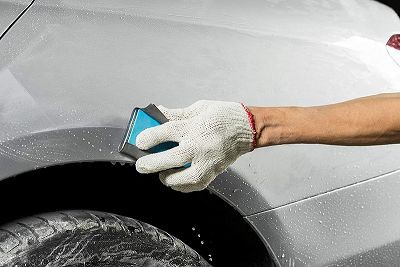
Automobile repair
Automotive wet sandpaper is widely used in automobile bodywork and repair. In body repair and painting, automotive wet-dry sandpaper helps eliminate defects in body panels, removes old paint or coatings, and prepares the surface for priming and painting. Wet sanding with waterproof emery paper helps minimize dust and results in a smoother, finer finish by reducing clogging of abrasive particles and reducing the risk of clogging, making it ideal for achieving professional-grade results.
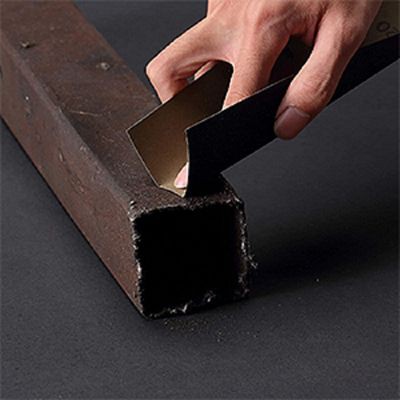
Woodworking
In woodworking, wet dry sandpaper sheets are used to sand interior and exterior wooden surfaces. wet dry sandpaper can be used to refine rough-cut wood, and smooth joints, and prepare surfaces for staining or sealing. The waterproof feature makes it suitable for projects involving moisture, such as outdoor furniture or marine applications. It is ideal for smoothing surfaces before applying varnish, varnish, or paint, especially where using water as a lubricant can help show scratches or imperfections more clearly.

Metal processing
Use sanding paper sheet metal to perform tasks such as deburring, polishing, rust removal, or corrosion on metal surfaces. Whether preparing metal for welding, repairing old metalwork, or finishing machined parts, waterproof sandpaper provides the abrasiveness and resilience necessary to effectively and efficiently remove rust, burrs, and blemishes without damaging the underlying material.
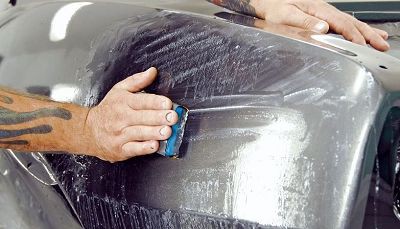
Marine Applications
This type of very fine wet and dry sandpaper is highly sought after for marine applications due to its water-resistant properties. Boat owners and professionals use it to sand fiberglass hulls, remove old paint or gel coat, and smooth surfaces before applying marine-grade paint. wet and dry abrasive paper's ability to withstand exposure to water makes it indispensable for maintaining boats and other watercraft.
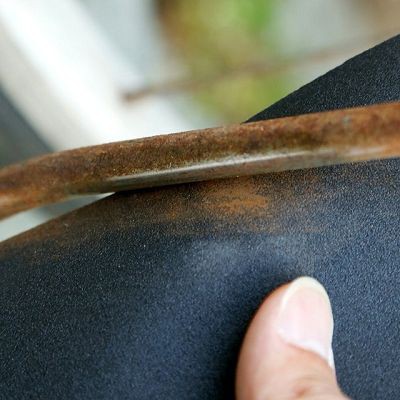
Home Projects
Ultra-fine wet and dry paper is also handy for a variety of home projects. From refinishing furniture to restoring outdoor floors, it can be used to sand a variety of materials, including wood, metal, and plastic. Waterproof sandpaper can be used with a floor sander during the process of refinishing hardwood floors, especially when using a water-based sealer or topcoat. Its clog resistance and durability ensure that even when tackling tough jobs around the home Also remains effective.

Construction and Renovation
In construction and renovation projects, coarse wet and dry paper plays a vital role in preparing surfaces for painting, plastering, or tiles. Whether smoothing drywall joints, sanding concrete surfaces, or shaping wood trim, its moisture resistance and ability to provide consistent wear make it an indispensable tool on the job site.
Goods shipment:
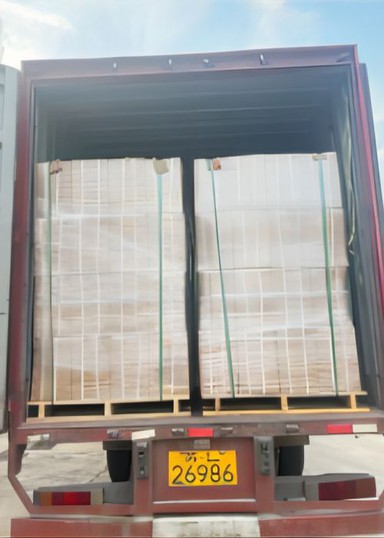

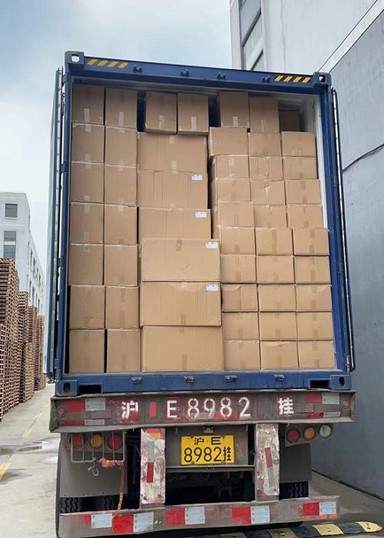

Q: 1.What is waterproof abrasive sandpaper?
Q: 2.Why use wet sandpaper?
2). Improve the surface: Using fine waterproof abrasive paper can make the surface smoother. The water acts as a lubricant and helps keep the abrasive grit clean by washing away debris and filings, resulting in a more consistent scratch pattern and ultimately a finer, more polished look.
3). Thermal Management: Wet sanding dissipates heat more efficiently than dry sanding, which helps prevent the material being sanded from overheating and burning, which is especially important for delicate surfaces such as paint finishes, plastics, or thin sheet metal.
4). Better Visibility: Water shows scratches and imperfections more clearly, allowing for better visual feedback during the sanding process, especially when preparing clear coats, paints, or other coatings that show every tiny imperfection When on the surface.
5). Extended paper life: Wet sandpaper tends to last longer because the water helps prevent abrasive particles from clogging, allowing the sandpaper to be used more efficiently.
Q: 3.What makes sand waterproof?
Adhesive: Use a strong adhesive to bond the abrasive grit to the backing material. The adhesive must be waterproof so that it does not break down or weaken when in contact with water.
Backing material: Traditional sandpaper uses a paper backing, which absorbs water and loses strength. wet dry emery paper uses a backing made of a material that resists absorbing water, such as latex-impregnated paper, or a synthetic film such as polyester or polypropylene.
Coating: silicon carbide emery paper has a unique coating on the abrasive side to further help prevent clogging caused by debris or water-based contaminants.
Q: 4.What is the difference between sandpaper and water paper?
Wet and Dry Sandpaper: This is a special type of sandpaper designed for use both dry and with water. When used wet, water acts as a lubricant, improving the sanding process by cooling the surface, reducing clogging of abrasive particles, and minimizing dust.
The main differences are water resistance and suitability for wet sanding applications.
Q: 5.What are the grits of waterproof sandpaper?
Medium grits: P100, P120, P150 - medium sandpaper sheets for moderate stock removal, smoothing out initial sanding marks, or starting to prepare surfaces for finishing.
Fine grits: P180, P220, P240 - fine wet and dry paper ideal for final shaping, smoothing out medium grit scratches, and preparing surfaces for paint or sealants.
Very fine grits: P320, P400, P600 - very fine wet and dry paper suited for prepping surfaces for clear coats, achieving a smooth finish before polishing, or light sanding between coats of finish.
Extra fine grits: P800, P1000, P1200, P1500, P2000, P2500 - extra fine wet dry sandpaper for extremely fine finishing work, polishing, and buffing out fine scratches, or preparing surfaces for mirror-like finishes.
Micro grits (superfine): P3000, P5000, and beyond - super fine wet and dry sandpapers are used for the highest level of polishing and finishing work on materials like automotive paint or musical instruments.
The higher the grit number, the finer the abrasive and the smoother the finish. Waterproof sandpaper is available in all these grit sizes to accommodate various wet or dry sanding tasks.
Q: 6.Do you have to soak wet sandpaper?
Using wet/dry sandpaper, you should:
1. Hold the sandpaper under a faucet or spray it with a fine mist of water to moisten the sandpaper enough to enhance its properties without affecting its integrity or usability.
2. Squeeze out excess water so that the paper is moist but not dripping.
3. Start sanding. Water acts as a lubricant, reducing heat build-up, minimizing clogging of abrasive particles, and helping to reveal scratches and imperfections more clearly.
Q: 7.What are the procedures for sanding with water sandpaper?
- Dip the sandpaper in water or spray water on the surface and sandpaper.
- Start lightly sanding the surface, keeping the sandpaper and surface moist throughout the process. Do not let the sandpaper dry; reapply water as needed.
- Work in the sequence of abrasives, starting with coarser abrasives and working your way to finer abrasives until the desired smoothness is achieved.
- After each change of grit, clean and dry the surface thoroughly before replacing it with the next finer grit.
Q: 8.Is wet sanding better than paint correction?
- This is a more invasive process often used to remove deep scratches, orange peel, severe swirl marks, or other major paint imperfections.
- It involves using progressively finer sandpaper, usually starting around P800 or finer, often followed by a polish to restore the shine.
Paint correction:
- Paint correction is a less invasive process that focuses on improving the paint surface to eliminate minor to moderate imperfections such as swirl marks, holograms, and minor scratches.
- The goal is to level the varnish (or paint layer, if no varnish is present) without actually removing a lot of material.
Therefore, one is not universally "better" than the other. Wet sanding is more aggressive and suitable for addressing deeper issues, while paint correction is a gentler process suitable for everyday paint finishing and maintenance.
