Do You Know How To Polish Car Putty?
Grinding putty is an extremely important part of the grinding process. Before applying putty, you must first master the variety and performance of the selected putty, especially the sanding performance of the putty. Secondly, according to the putty used, different construction methods are adopted, and the correct grinding method is determined according to the size, layer, and thickness of the scraped surface.
1. Grinding and polishing the putty surface.
For residual putty burrs and putty residues, a smooth and even putty surface should be sanded. When grinding, grind slowly. There must be edges and corners, and they cannot be exposed.
2. Correctly choose abrasives and abrasive tools.
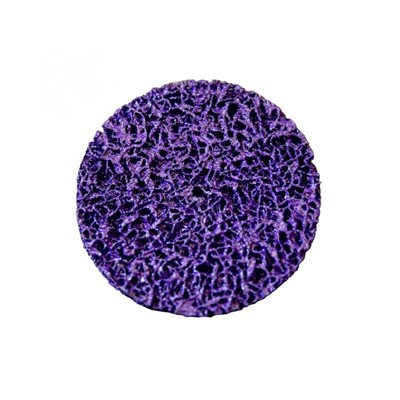
Putty needs to be sanded with various types of emery cloth or sandpaper. The sandpaper commonly used in polishing includes sandpaper(China gold abrasive disc, Green film disc, Ceramic Abrasive Hook and Loop Sanding Disc), water sandpaper(Silicon Carbide Waterproof Abrasive Sandpaper, 30% latex waterproof sandpaper), emery cloth, and abrasive belt. The thickness of sand and sandpaper is numbered according to the grit size of the abrasive it is attached to. There are many kinds of wood sandpaper, such as 80 grit, 120 grit, 150 grit, 180 grit, and so on. (ie P80, P120, P150, P180, etc.);
3. When grinding the putty, the grinding method should be determined according to the layer, area, position, and thickness of the putty layer and the shape of the putty part, and the appropriate grinding and abrasive tools should be selected.
For example, putting some or all of the putty on flat parts of different sizes and areas is different from the tools and emery cloths or sandpaper used to putty on complex and special parts such as arcs, corners, joints, and welds, and several types of putty Emery cloth and sandpaper. The sanding methods, sanding tools, and emery cloth or sandpaper models of the bottom layer, the middle layer, and the adjacent surface layer are also different.
Scrape the putty on the wooden boards and parts, use No. 1 or No. 1.5 wood sandpaper for rough grinding, and use No. 0 or No. 00 wood sandpaper for fine grinding; 150 # and 180 # emery cloths are used for rough grinding, and 180 # is used for fine grinding parts of metal parts putty. Grind lightly, don't knock off the putty on the corners, and don't grind the bare ground. Sand the putty in the middle with fine sandpaper or emery cloth, and lightly sand it into a smooth putty surface. The flat parts with large putty areas should use a water grinder. Use 240~320 # water sandpaper for coarse grinding and 400 # water sandpaper for fine grinding. Jet mills can be used to improve grinding efficiency. Partial scraping of putty in large-area flat areas should be done by hand, and large-area or full scraping of putty (including two coats of primer) should not be dry-grinding. Watermill is a good way to ensure the quality and efficiency of grinding. Decorative painted products and parts, even partial putty, must be secured by water grinding.