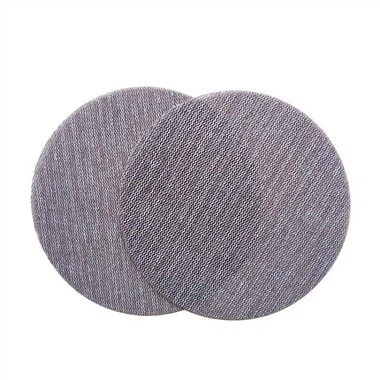
how can users choose the right sponge sandpaper roll for their specific needs?
 1. Understand the Structure of Sponge Sandpaper Roll
A sponge sandpaper roll consists of three main layers:
Abrasive grain on the surface for cutting and polishing.
Flexible sponge backing that conforms to curves and contours.
An adhesive layer that securely bonds the abrasive to the sponge.
The sponge backing not only provides cushioning to prevent deep scratches but also allows users to apply even pressure, achieving smoother and more uniform results-especially on delicate or uneven surfaces.
2. Choose the Right Abrasive Material
Different abrasive materials deliver different performance characteristics:
Aluminum oxide: A versatile choice for general sanding of wood, metal, and plastics.
Silicon carbide: Sharper and harder, ideal for fine finishing or sanding between coatings.
Ceramic abrasive: Provides high cutting efficiency and long life for heavy-duty grinding.
Selecting the right material depends on the hardness of your workpiece and the required surface finish.
3. Select the Appropriate Grit Range
Grit selection is critical for achieving the desired surface effect:
Coarse grits (80–120): For removing rough surfaces, old paint, or heavy burrs.
Medium grits (150–220): For smoothing edges or preparing surfaces before finishing.
Fine grits (240–800): For delicate finishing or sanding between coating layers.
Using a progressive grit sequence ensures better control over texture and reduces the risk of oversanding.
4. Match the Sponge Thickness to the Application
Sponge sandpaper rolls come in different thicknesses-from thin, semi-rigid sheets to thicker, highly flexible pads.
Thin sponges offer more precision and are suited for flat or slightly curved surfaces.
Thicker sponges provide excellent flexibility, making them ideal for contoured shapes, corners, or hand-sanding intricate designs.
5. Evaluate Cost vs. Durability
While premium sponge sandpaper rolls may come at a higher initial cost, they often deliver superior wear resistance, consistent cutting performance, and longer lifespan. In the long run, this results in lower material waste and improved productivity.
Conclusion
Choosing the right sponge sandpaper roll means balancing abrasive material, grit size, sponge thickness, and application needs. With modern advances in abrasive technology, today's sponge sandpaper rolls offer outstanding flexibility, comfort, and durability-helping craftsmen and manufacturers alike achieve the perfect surface finish across wood, metal, plastic, and coated materials.
As the grinding and finishing industries continue to evolve, investing in high-quality sponge sandpaper rolls is a simple yet effective way to enhance both efficiency and surface quality.