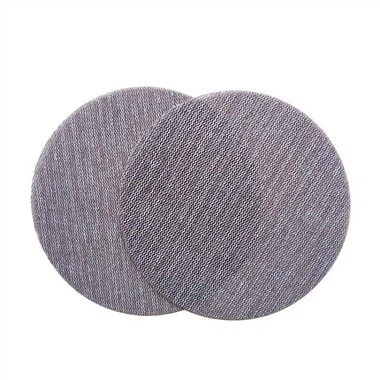
The Difference Between Water Sand And Dry Sand And The Use Of Misunderstandings
The difference between dry sandpaper and wet sandpaper:
What is the essential difference between water sandpaper and dry sandpaper? Is it really like the literal meaning? Grinding materials, then why dry sandpaper does not use water, but water sandpaper? The powder produced is also smaller, and when used with water, the powder will flow out with the water, so it is best to use it with water. If you dry sand with water sandpaper, the dust will remain in the gaps of the sand grains, and the surface of the sandpaper will become glossy and cannot achieve its original effect. Dry sandpaper is very convenient; the gap between its sand grains is larger, and the fines produced by grinding are also larger.
It will fall off due to the large gaps during the grinding process, so it does not need to be used with water. Dry sand is divided into what is commonly known as red sand and white sand, the difference is that the former is not treated with an anti-clogging coating. Water sandpaper grinds slowly, but it grinds brighter (the finer the water sandpaper, the slower it also shines, and it is often used for oil grinding of high-gloss products); dry sandpaper grinds faster but coarser (the faster the coarse dry sandpaper is ground, the coarser it is. Conventionally, 400 grains or less are often used for white body wood grinding, and 400-800 grains are often used for oil grinding).
Water-grinding sandpaper is generally sanded under water-containing conditions, so there is less dust and better working conditions. Although dry sanding paper has the characteristics of anti-clogging, anti-static, good flexibility, and high wear resistance, it has heavy dust pollution, and it is necessary to wear appropriate protective equipment when working (but it is acceptable to face the strong function of dry sanding paper).
 Common misunderstandings in the use of sandpaper:
1. The old sandpaper is equivalent to the one-size-higher sandpaper
Old sandpaper means less cutting power and more heat. If you feel that the sanding speed is too slow, replace the sandpaper with a new one or drop it by one size.
2. The harder you press on the sandpaper, the faster it will be polished
The pressure will only increase the wear and heat of the sandpaper, which can char the wood. Generally speaking, only light pressure is required for sanding so that the sandpaper and things do the hard work, so that it is easy and extends the life of the sandpaper, and the speed is not slow at all.
3. Use marked sandpaper to the end
Many novices buy only one size of sandpaper, which is very low power.
4. Polishing is a long and boring process
Assuming you feel this way, it's usually due to the sanding process not seeing noticeable progress. This means that the sandpaper you are using is too coarse or too old and needs to be replaced with new sandpaper.