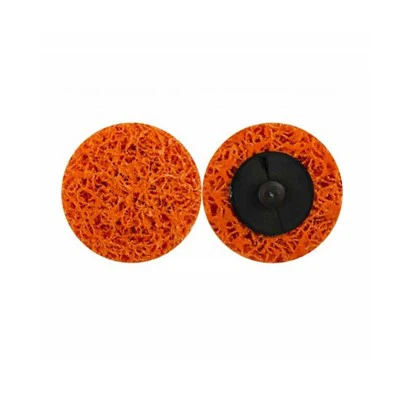
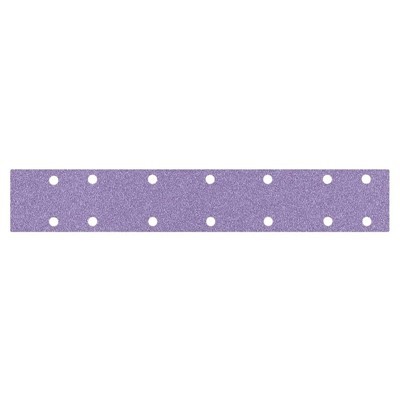
Explore the mysteries of sandpaper types, basis weight, raw materials, and grit
Abrasive Sandpaper, a seemingly simple tool, has a variety of complex technologies and applications. Let's examine it more closely and understand its different aspects.
1. Types of Abrasive Sandpaper are divided into two types according to different usage methods: waterproof abrasive sandpaper and dry abrasive sandpaper.
Dry abrasive sandpaper: The abrasive is bonded to latex paper with synthetic resin as a binder and coated with an anti-static coating. It has the characteristics of anti-blocking, anti-static, good softness, high wear resistance, etc., and is suitable for dry grinding.
Waterproof abrasive sandpaper (water-resistant sandpaper): Sandpaper with water-resistant paper or treated water-resistant paper as the base is called water-based sandpaper. It is usually made by firmly bonding the abrasive to the base with paint or resin as a binder. It is used to polish the surface of metal or non-metallic work-pieces in water or oil.
2.The influence of basis weight
The basic weight unit of abrasive sandpaper, such as AW is 65g/cm², which directly affects its bend-ability, toughness, and mechanical resistance. Sandpapers of different weights are AW (A base weight), CW, DW, EW, FW, etc. from light to heavy. AW is the lightest and is usually used for manual sanding; CW is suitable for manual sanding and light mechanical sanding (portable vibration sander); DW and above are mechanical sanding papers; EW and FW are heavy sanding papers. Different needs require different choices.
3. Raw materials
Dry sandpapers often use abrasives such as aluminum oxide, white aluminum oxide, ceramic and zirconium corundum. The advantages are high grinding efficiency and not easy to stick to chips, which are suitable for dry grinding; waterproof abrasive sandpapers often use corundum or silicon carbide abrasives, which have a finer texture and are suitable for grinding some things with finer textures and are suitable for post-processing.
The choice of different types of sandpaper directly affects its performance in different environments.
4. Grit
The grit, that is, the number of grit per square inch, is an indicator of the fineness of sandpaper. For example, 100# sandpaper is 100 mesh sandpaper, which is distributed with abrasive particles with a particle size of 150um.
The coarseness and type of abrasive in sandpaper greatly affect the use and effect of sandpaper. Here are some common sandpaper grits and their corresponding uses:
1. P40-P60: This coarse abrasive is suitable for removing large pieces of material from rough surfaces, such as removing old paint.
2. P80-P120: These grits are suitable for removing smaller defects, such as grinding sharp edges or corners on wood or metal surfaces.
3. P150-P180: This medium sandpaper can be used to sand surfaces to make them smooth, such as removing thick layers of paint or coatings.
4. P220-P240: This sandpaper can be used to remove minor surface defects and create a smoother surface.
5. P320-P400 grit: This fine sandpaper is suitable for sanding and smoothing various wood, metal, and plastic surfaces.
6. P600-P800: This ultra-fine sandpaper can be used to remove minor scratches on the surface and produce a very smooth surface, such as sanding the surface of a car.
7. P1000 and above sandpaper can be used for the most delicate sanding work, such as eyeglass lenses, metal and plastic surfaces, etc.