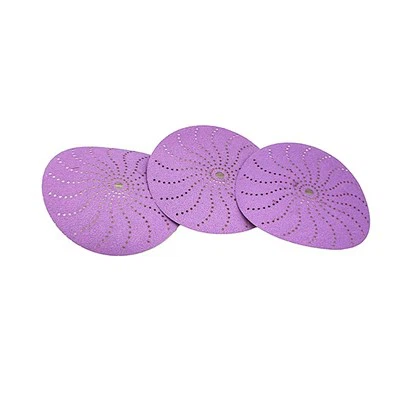
Total solution to sanding vessel
Ships are exposed to the marine environment for a long time and are eroded by natural elements such as salt, water, and wind. The surface is prone to rust, dirt, and old coatings. As an important means of ship surface treatment, grinding removes oxides, rust, and old paint layers on the hull surface through physical friction to ensure the quality of subsequent processes such as welding, painting, and repair, improve the appearance quality of the hull, and enhance the anti-corrosion performance of the hull and extend its service life.
Purpose of grinding: improve surface finish, prevent corrosion, and enhance coating adhesion.
Common grinding parts: hull shell, deck, welds, propellers, etc.
Characteristics of ship grinding environment: high humidity, large area, and diverse materials, which require both efficiency and durability.
The basic principle of grinding is to use the friction between abrasive particles and the surface of the workpiece to remove surface materials. In the field of ships, grinding work usually involves large-scale operations, requiring high efficiency, uniformity, and no damage to the hull structure.
Choose the right grinding tools for different shipping materials
According to market analysis, the most commonly used grinding products in the field of ship grinding include grinding wheels, sanding belts, fiber discs, flap discs, abrasive sandpaper, abrasive mesh, etc abrasive products. At the same time, polishing fluids are also widely used to eliminate grinding marks and polish the surface of ships to achieve better surface smoothness.
Among them, flap wheels and sanding belts are the main choices in the field of ship grinding, accounting for about 50%-60%. These tools are widely used in hull surface grinding and weld treatment due to their durability and efficiency.
Ships are made of a variety of materials, and the requirements for grinding tools for different materials are different. The following are specific classifications and recommended tools:
Steel material: It is recommended to use flap discs and use them with angle grinders.
Reason for selection: The surface of steel is hard, and the alumina grinding wheel has strong wear resistance, which can quickly remove rust and improve efficiency.
Effect: The surface is uniform and rust-free, suitable for pre-spraying treatment.

Aluminum alloy material: Zirconia aluminum oxide sanding belts, non-woven abrasive pads, and clean sand strip discs are recommended.
Reason for selection: Aluminum alloy is relatively soft and needs to be ground at low heat to avoid overheating and deformation. Zirconia corundum has good self-sharpening properties.
Effect: No scratches and fine surface.


Fiberglass material: Resin-bonded abrasive grinding discs, abrasive sandpaper, and trizact film sanding discs are recommended.
Reason for selection: Fiberglass is easy to crack, and silicon carbon sandpaper has good flexibility and is suitable for fine processing.
Effect: No chipping on the edge and smooth surface.
Choosing the right grinding tool can not only improve grinding efficiency but also ensure the surface quality after grinding and achieve the expected grinding effect.


Step-by-step guide to effectively grinding ships
Preparation phase
Cleaning the surface: Remove oil, rust, and foreign matter.
Choosing the right grinding tool: Select according to the material and target effect.
Safety inspection: Wear protective equipment to ensure that the grinding machine is in good condition.
Grinding steps
Rough grinding: Use a low-grit grinding wheel or belt to quickly remove rust and old paint layers.
Fine grinding: Use a high-grit grinding wheel, belt, or polishing pad to finish the surface.
Inspection: Stop and check the progress regularly to avoid over-grinding.
Subsequent treatment
Clean the grinding area: remove dust with compressed air or a brush.
Rust prevention: apply anti-rust primer or protective coating.
Avoid common mistakes during grinding
Common mistakes
Improper tool selection: leads to low efficiency or surface damage. Excessive grinding force: accelerates tool wear and even damages the workpiece surface.
Ignoring cooling measures: overheating of the material causes performance degradation or deformation.
Efficient grinding tips
Maintain a stable angle of the grinding tool to avoid jumping.
Choose the appropriate grinding speed according to the material to avoid unnecessary heat generation.
Clean the surface of the abrasive regularly to maintain the grinding effect.
Maintain and extend the service life of the abrasive
Use the abrasive correctly: avoid overloading and use it strictly according to the rated speed. Replace or trim the tool in time when the grinding efficiency is reduced.
Storage and maintenance: The abrasive should be stored in a dry and ventilated place to avoid humidity and a high-temperature environment; regularly check whether there are cracks or wear on the surface abrasive and replace it in time.
Cleaning and dressing: Use a special cleaning brush to clean the surface of the abrasives; grinding wheels can be restored to shape with a dresser to improve the grinding effect.
Ship grinding is a highly technical and demanding job. By understanding the basics, choosing the right grinding tools, following effective grinding steps, avoiding common mistakes, and properly maintaining and extending the life of the abrasives, you can ensure that the ship grinding work is completed efficiently, safely, and with high quality.