Abrasive Mesh Vs. Abrasive Sanding Disc For Automotive Primer: Which To Choose?
 1. What Is Abrasive Mesh?
Abrasive mesh is a net-like sanding material with an open structure that lets sanding dust pass through its openings. When used with a compatible backing pad and dust extraction system, it can help remove dust from the sanding area more efficiently.
Key Benefits of Abrasive Mesh
Open mesh construction: Provides multiple dust extraction paths across the sanding surface.
Dust management: Can help reduce dust accumulation when paired with suitable extraction equipment.
Surface preparation: Suitable for selected primer sanding and other automotive refinishing applications.
Flexible application options: Available in different grit sizes and formats, depending on the product specification.
Abrasive mesh is worth considering for body shops and professional sanding operations where dust extraction and a cleaner working environment are priorities.
However, actual dust-removal performance depends on mesh design, backing pad, extraction system, sanding pressure, and working conditions.
2. What Is an Abrasive Sanding Disc?
An abrasive sanding disc is a disc-shaped abrasive product designed for use with compatible sanding machines or hand-sanding tools. Depending on its construction, it may use paper, film, or other backing materials.
For automotive primer sanding, commonly considered options include conventional abrasive discs and multi-hole sanding discs.
Key Benefits of Abrasive Sanding Discs
Versatile selection: Available in different abrasive grains, backing materials, hole patterns, and grit sizes.
Equipment compatibility: Can be selected for orbital sanders, random orbital sanders, or suitable hand-sanding applications.
Controlled surface preparation: The appropriate grit and abrasive construction can help achieve the surface condition required before the next finishing step.
Flexible sourcing: Discs can be specified according to diameter, grit, backing type, hole pattern, and packaging requirements.
For distributors, automotive refinishing suppliers, and private-label brands, abrasive sanding discs offer a wide range of product configurations for different customer requirements.
3. Abrasive Mesh vs. Abrasive Sanding Disc: Key Differences
The most important difference is not simply the product shape. Abrasive mesh is defined by its open net-like construction, while a sanding disc describes a disc-shaped format that can use different backing materials and designs.
| Comparison | Abrasive Mesh | Abrasive Sanding Disc |
|---|---|---|
| Construction | Open mesh or net structure | Paper, film or other backing |
| Dust extraction | Multiple openings across the mesh | Depends on whether the disc is non-perforated, multi-hole or otherwise designed for extraction |
| Equipment | Requires a compatible backing pad and extraction setup | Must match the tool, backing pad and hole pattern |
| Main selection factor | Mesh design and dust extraction compatibility | Backing material, abrasive grain, hole pattern and grit |
| Best-fit priority | Applications prioritizing distributed dust extraction | Applications requiring a broad choice of abrasive formats and specifications |
Important: A multi-hole sanding disc can also provide effective dust extraction. Abrasive mesh is not automatically superior in every application. A fair comparison should consider the complete sanding system rather than the abrasive alone.
4. Which Abrasive Is Better for Automotive Primer?
The right choice depends on your process and finishing requirements.
Choose Abrasive Mesh When:
- Dust extraction is a major priority in your sanding operation.
- Your sanding machine and backing pad are compatible with mesh abrasives.
- You want to evaluate an open-structure abrasive for primer preparation.
- Your production team needs to compare dust removal and abrasive loading under actual working conditions.
Choose an Abrasive Sanding Disc When:
- Your workshop already uses a disc-based sanding system.
- You need specific backing materials, hole patterns, or abrasive grain options.
- Your customers require a range of disc diameters and grit specifications.
- You want to standardize abrasive selection across several sanding and surface-preparation steps.
For some automotive refinishing workflows, both products may have a place. The best decision should be based on surface quality, sanding efficiency, dust extraction performance, and total operating cost.
5. How to Choose the Right Grit for Automotive Primer Sanding
Grit selection is just as important as abrasive type. Using an unsuitable grit may leave scratches that remain visible after the next coating step or remove more material than necessary.
The following ranges are general starting points, not universal specifications. Always follow the paint and primer manufacturer's technical data sheet and verify the abrasive sequence on a test panel.
| Application | Typical Grit Range | Selection Consideration |
|---|---|---|
| Initial leveling of suitable primer surfaces | P180–P240 | Use only when the primer system and repair procedure permit this level of abrasion |
| General primer preparation | P240–P320 | Balance material removal with scratch refinement |
| Fine preparation before subsequent coating | P320–P500 or as specified | Confirm the required finish with the coating manufacturer's recommendations |
The required grit may differ for primer surfacer, cured primer, wet sanding, dry sanding, and different coating systems. Do not select a grit based on the number alone; abrasive grain, backing, and sanding equipment also affect the result.
6. What Should Buyers Check Before Ordering?
If you are sourcing abrasive mesh or sanding discs for automotive refinishing, check these details before placing an order:
1). Abrasive specification
Confirm the abrasive type, grit range, and intended application.
2). Size and hole pattern
Specify the disc diameter and, where applicable, the hole configuration to match your sanding equipment.
3). Backing and construction
Consider whether a mesh structure, paper backing, or film backing is more suitable for your process.
4). Dust extraction compatibility
Check the backing pad, extraction holes, and sanding machine as a complete system.
5). Sample testing and quality consistency
Evaluate scratch patterns, abrasive loading, dust removal, and surface finish under your normal working conditions.
6). Supply and customization requirements
For distributors and private-label brands, confirm available specifications, packaging options, order quantities, and production lead times before planning a purchase.
7. Why Source Abrasives from Golden Abrasives?
Golden Abrasives supplies abrasive products for automotive refinishing, metalworking, and woodworking applications.
We understand that professional buyers need more than a product name. They need suitable specifications, consistent quality, and a supply solution that matches their market requirements.
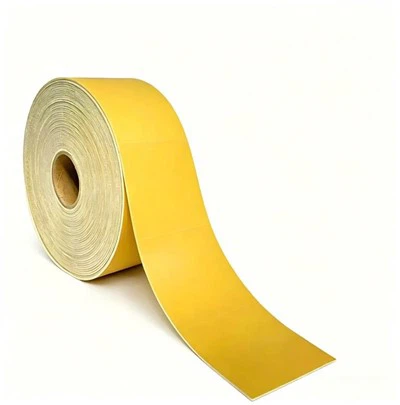
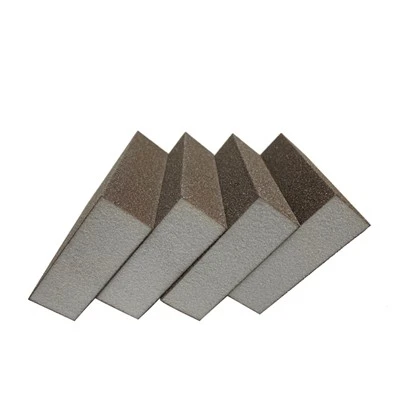
Our product range includes abrasive sandpaper, abrasive film, abrasive mesh, and abrasive sponge products. Depending on the product and order requirements, we can discuss grit options, product formats, OEM and ODM cooperation, and private-label packaging.
Whether you are expanding your automotive refinishing product range or looking for an alternative abrasive supplier, our team can help you identify suitable products for evaluation.
Need Help Choosing the Right Automotive Sanding Abrasive?
Not sure whether abrasive mesh or abrasive sanding discs are suitable for your primer sanding process?
Contact Golden Abrasives at sales@goldenabrasives.com with your application, required grit, disc size, and estimated order quantity.
Our team can help you discuss suitable abrasive options, sample evaluation, and OEM or private-label requirements.
Golden Abrasives - Abrasive Solutions for Automotive Refinishing, Metalworking and Woodworking.